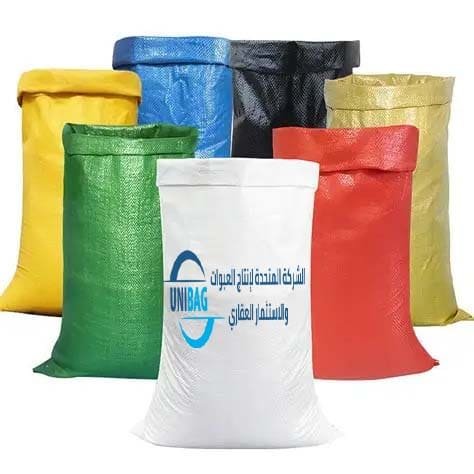
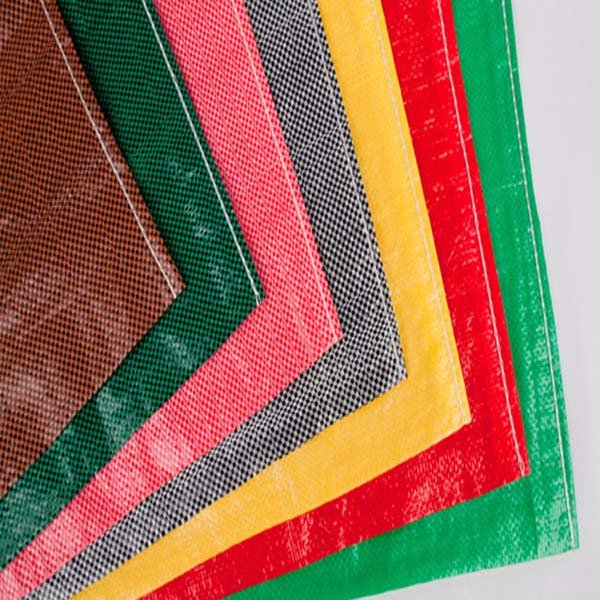
Woven polypropylene (PP) strips are a type of plastic fabric made from polypropylene resin, known for their durability, lightweight nature, and resistance to water and chemicals.
They are used in a wide range of industrial and consumer applications, such as packaging, construction, and protective coverings.
Manufacturing Process
The production of woven polypropylene strips involves several steps:
Extrusion: Polypropylene granules are melted and formed into fine threads.
Weaving: These threads are woven together using circular looms to create a flat or tubular fabric.
Lamination (Optional): A lamination layer can be added to increase moisture resistance.
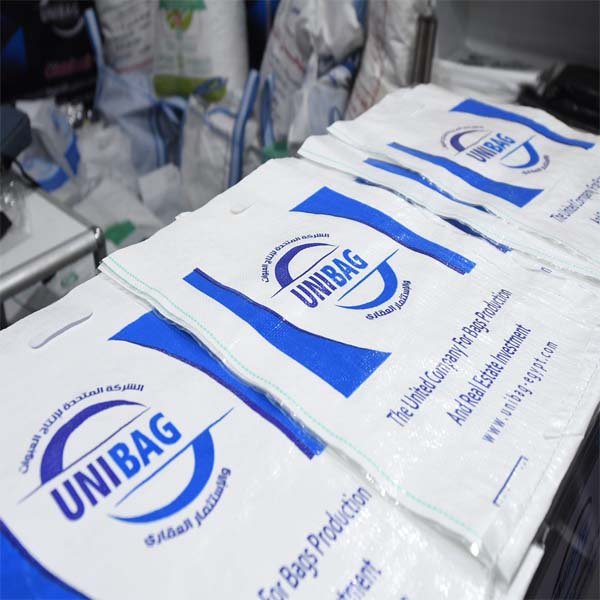
Cutting: The woven fabric is cut into the desired size and shape for making bags or covers.
Properties and Features
Strength and Durability: Woven strips have high tensile strength, making them tear-resistant and highly durable.
Lightweight: Despite their durability, they are lightweight, making handling and transport easy.
Moisture Resistance: The fabric provides an effective barrier against moisture, especially when laminated.
Chemical Resistance: The strips resist many chemicals and acids, enhancing their industrial applications.
Recyclable: Made from recyclable plastic, contributing to reduced plastic waste.
Common Uses
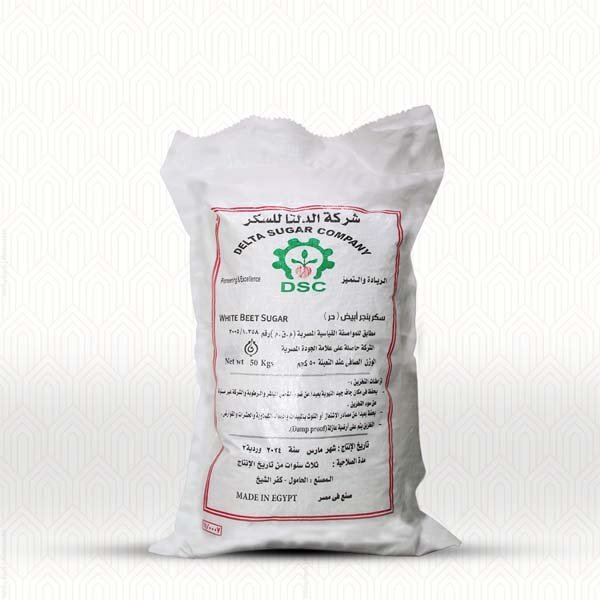
Packaging: Used in woven bags for packaging agricultural products such as grains, rice, sugar, as well as feed and cement.
Construction: Used as protective coverings on construction sites or as filtration barriers in civil engineering projects.
Agriculture: Used as mats to reduce weed growth in fields.
Consumer Goods: Used in making reusable bags and tote bags